Hardware and software for everyday access.
We build physical devices, embedded systems, and companion software that make everyday access simpler.
Assistive access hardware
Ingress Braille Keyboard
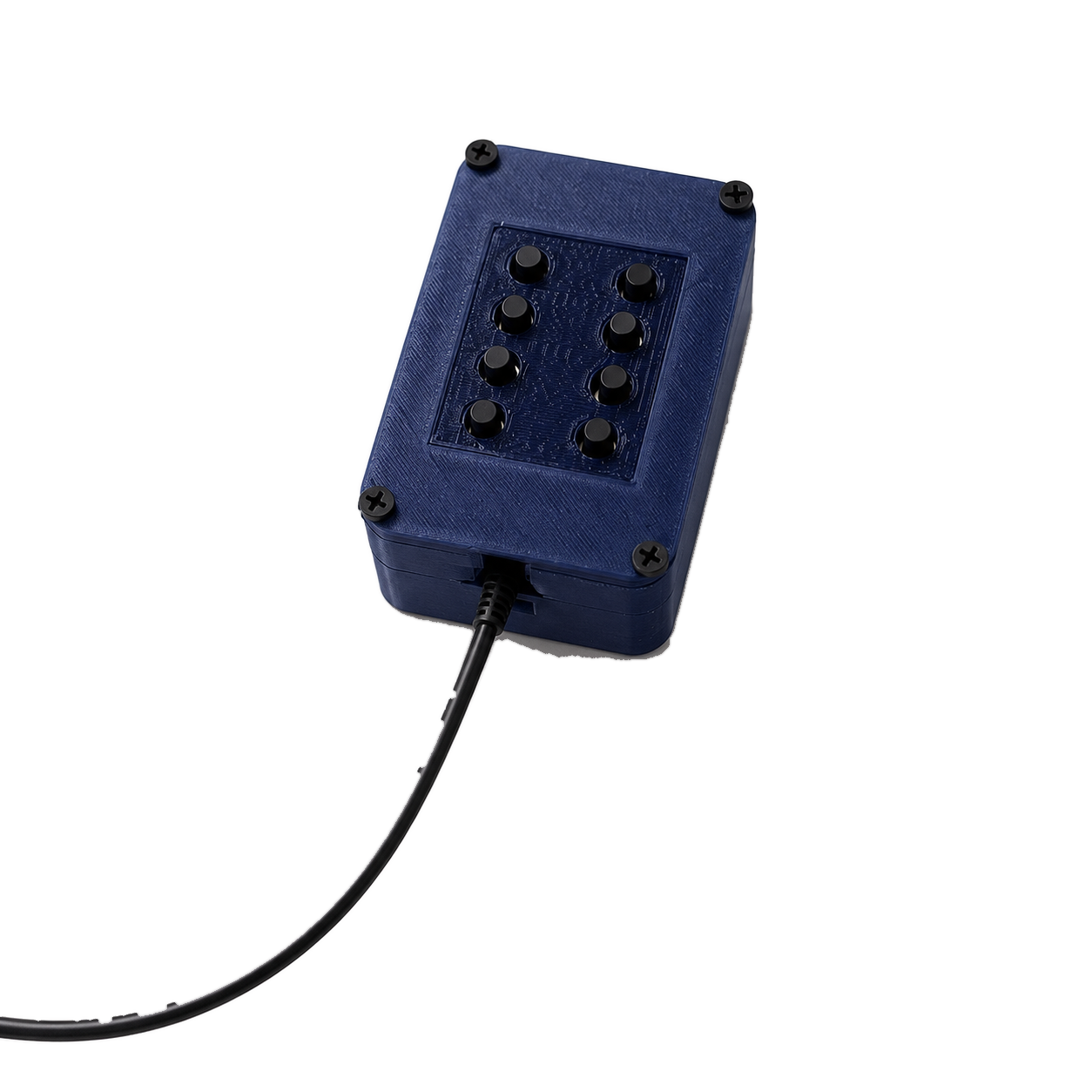
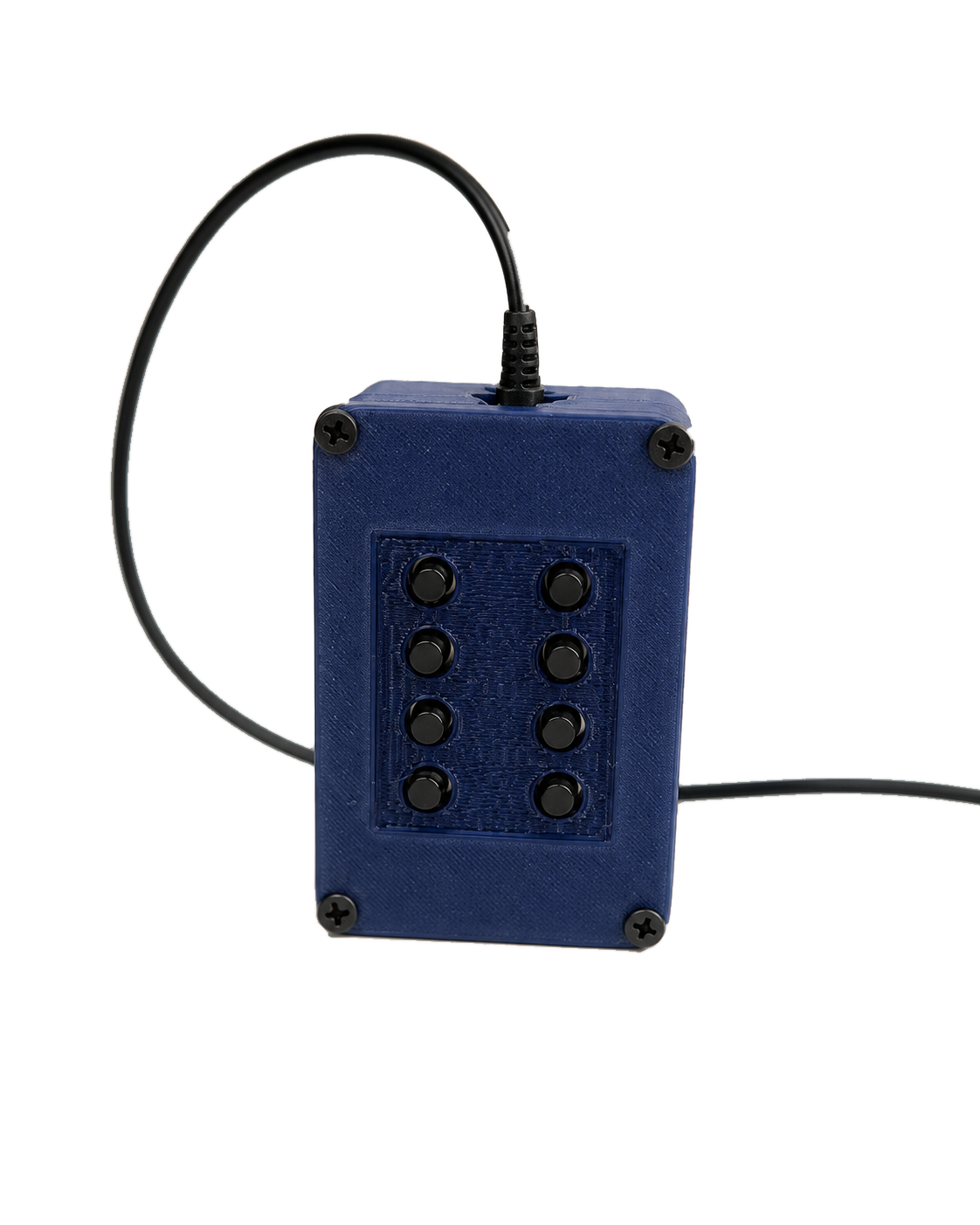
A compact physical Braille keyboard designed to help visually impaired people type, navigate, and use digital tools with ease.
The Gap
Across Africa, many Braille users still lack practical access to the digital world.
Many visually impaired people already know Braille. The challenge is that phones, apps, and digital services often require assistive tools that are expensive, hard to find, or difficult to maintain locally.
Regional need
5M
estimated blind individuals across Sub-Saharan Africa.
Local context
125K
estimated blind individuals in Zimbabwe.
Access today
10%
of people have access to the assistive products they need.
Affordability
$1K+
many digital Braille devices cost more than most people can easily afford.
Devine Chidau
Co-founder · Product & Accessibility Lead
Origin of the product
The origin of our story.
Our co-founder, Devine Chidau, lost his sight when he was four and grew up using Braille as part of how he learned, wrote, and moved through school.
As a Master’s student in Politics and International Relations at the University of Zimbabwe, Devine continued to see the same gap: Braille is familiar, but many everyday digital tools are still difficult to access, afford, or maintain.
The Ingress Braille Keyboard grew from that experience and from conversations with Braille users in Zimbabwe who need a more practical way to type, navigate, and participate in digital life.
“This keyboard is about making digital access feel more familiar for people who already understand Braille.”
Devine ChidauCurrent tools
Why the gap remains
Existing tools help in different ways, but many still fall short when Braille users need practical access to phones and digital services.
Slate and stylus
Familiar and affordable, but difficult to edit, save, search, or share digitally.
Braille displays
Useful for digital reading and writing, but often too expensive to buy, source, or repair locally.
Phone keyboards
Already available on smartphones, but flat glass does not provide the physical guidance of Braille keys.
The solution
A compact Braille keyboard built for everyday phone access.
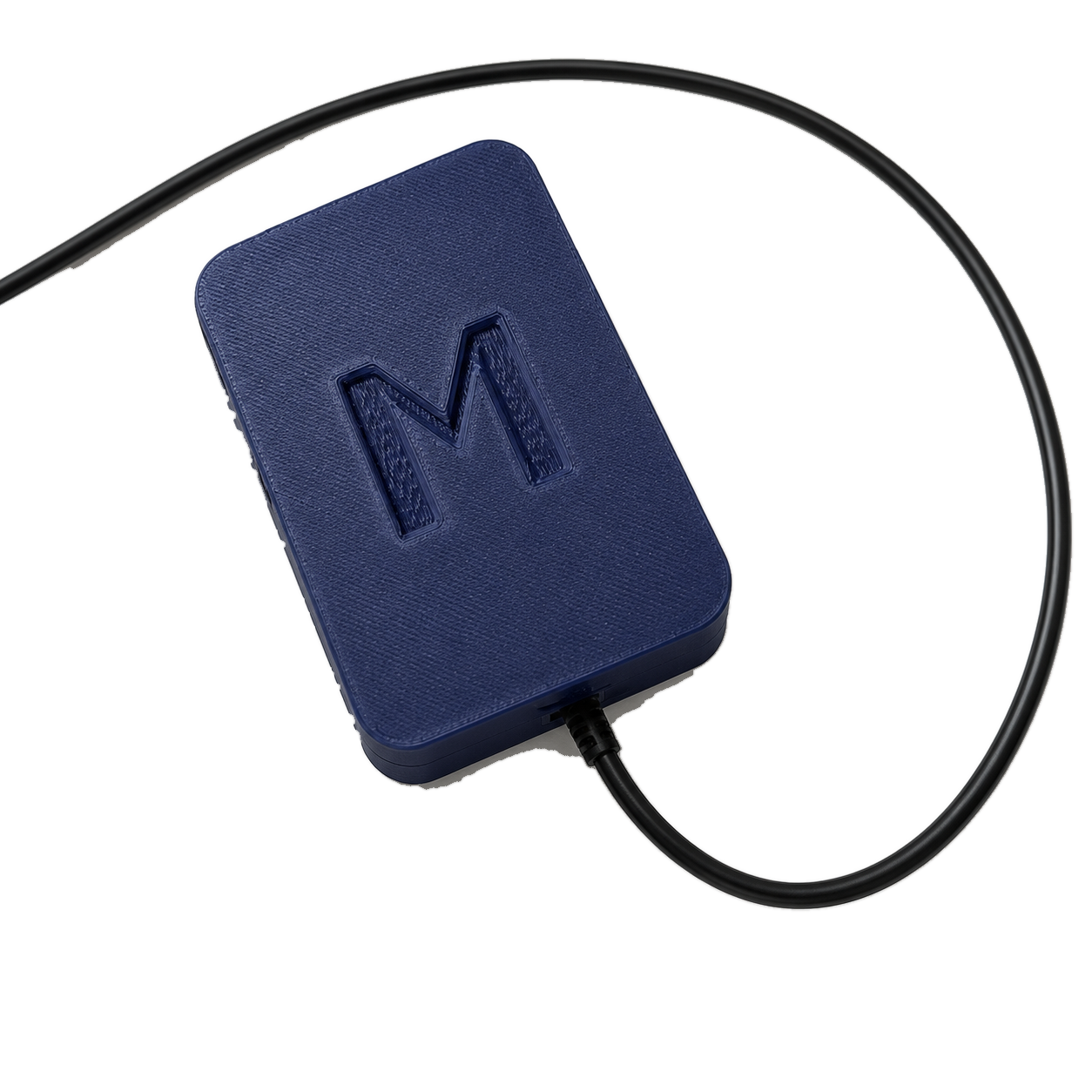
Ingress is a portable, tactile-first Braille keyboard designed to pair with smartphones through Bluetooth or USB-OTG. It uses eight tactile buttons to support Braille input, navigation, and everyday digital tasks without relying only on a flat touchscreen.
01 · Input
Type with touch
Write messages, notes, and text through tactile Braille buttons instead of relying only on a flat screen.
02 · Navigation
Move through phone tasks
Support everyday phone actions including navigation, calls, messages, notes, and common digital services.
03 · Access
Use with less dependence on data
Offline text-to-speech support helps make the experience more useful in low-connectivity environments.